The Department of Medicine
Research Programs
Amyloidosis and Cancer Theranostics Program
The history of the Amyloidosis and Cancer Theranostics Program (ACTP) is rooted in the study of light chain (AL) amyloidosis and the development of novel agents for the study, detection and treatment of this disease. In recent years, the Program has both extended its horizons to encompass all amyloid-related disorders and some specific malignancies, and focused principally on peptides as biological agents for targeting these diseases as a means of detection and treatment. The major thrust of the ACTP is developing, characterizing and translating novel synthetic peptides into the clinic for the non-invasive imaging of amyloidosis in patients by using PET/CT and SPECT/CT.
In addition, we are developing novel strategies for the treatment of amyloidosis by exploiting the exquisite targeting abilities of the synthetic peptides.
Preclinical and Diagnostic Molecular Imaging Laboratory
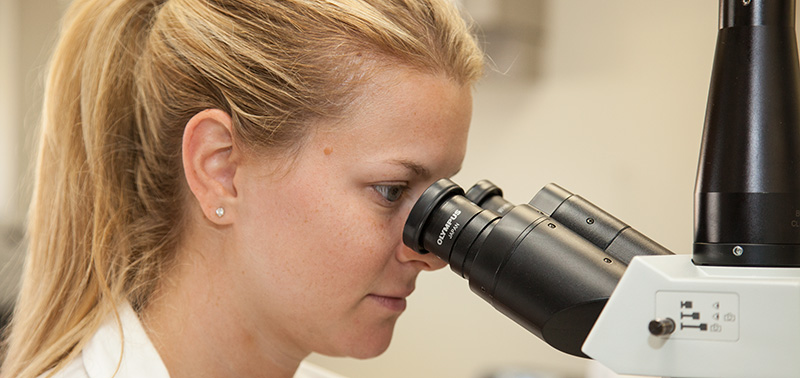
The Preclinical and Diagnostic Molecular Imaging Laboratory (PDMIL) is a small animal imaging facility dedicated to the study of disease and the development and evaluation of novel treatments and diagnostic techniques. The aim of the laboratory is to facilitate the translation of novel therapies and diagnostic agents into patients by providing proof-of-principle data in animal models of disease, as required by the US Food and Drug Administration. The laboratory focuses on research into amyloid-associated disorders, cancer, atherosclerosis and diagnostic veterinary imaging.
Clinical Research
High quality clinical research enhances both the clinical and educational mission of our Department. We recognize the important role of clinical research in improving the quality of health care in our community. Our clinical research is dedicated to conducting clinical trials and clinical and translational research studies to improve the health of our patients. We are currently conducting clinical studies in the areas of pulmonary medicine, infectious disease, hematology, oncology, cardiology and neurology. For more information about our clinical research please contact JFerris@utmck.edu or phone 865-305-7975.
Research Idea & Collaboration Interest Form
To facilitate engagement and increase opportunities for broader participation in academic research, we are pleased to invite individuals with an idea for a research project or scholarly activity to register their intent with us. Please complete the information below to identify your specific interests and become a part of our research community. Your participation is valuable, and we are excited to collaborate with you.
Submit Research Idea

In Touch Newsletter

Headlines
About the UTHSC COM-Knoxville
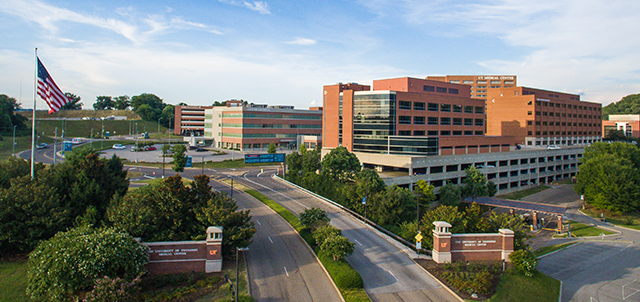
Currently, the University of Tennessee Health Science Center College of Medicine, Knoxville (UTHSC COM-Knoxville) is the sponsoring institution of 13 residency programs and 19 fellowships. The program directors of these training programs share a passion for the education, training and well-being of its GME trainees. Click here to learn about each of our departments and programs. The UTHSC COM-Knoxville is located on the University of Tennessee Medical Center's campus.